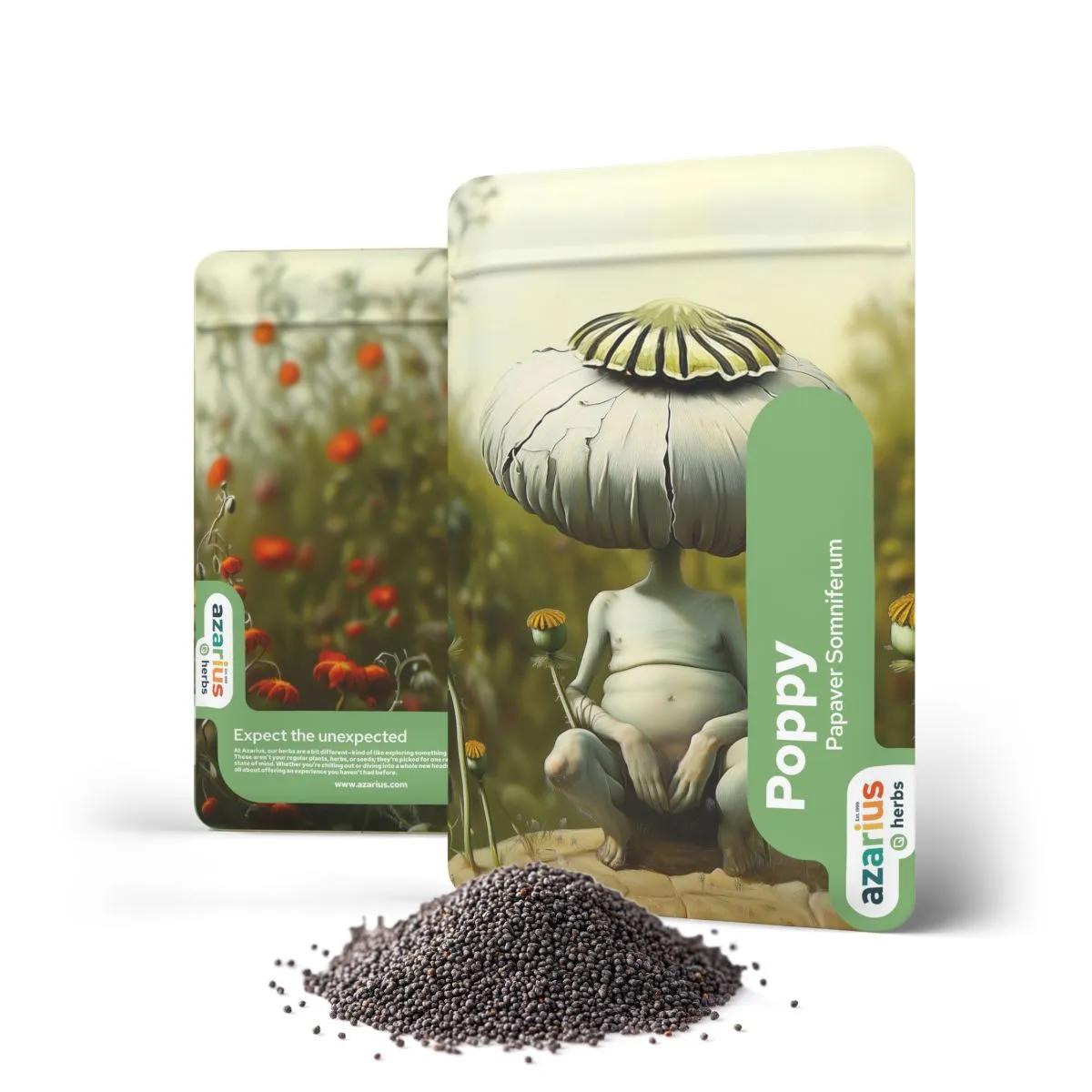
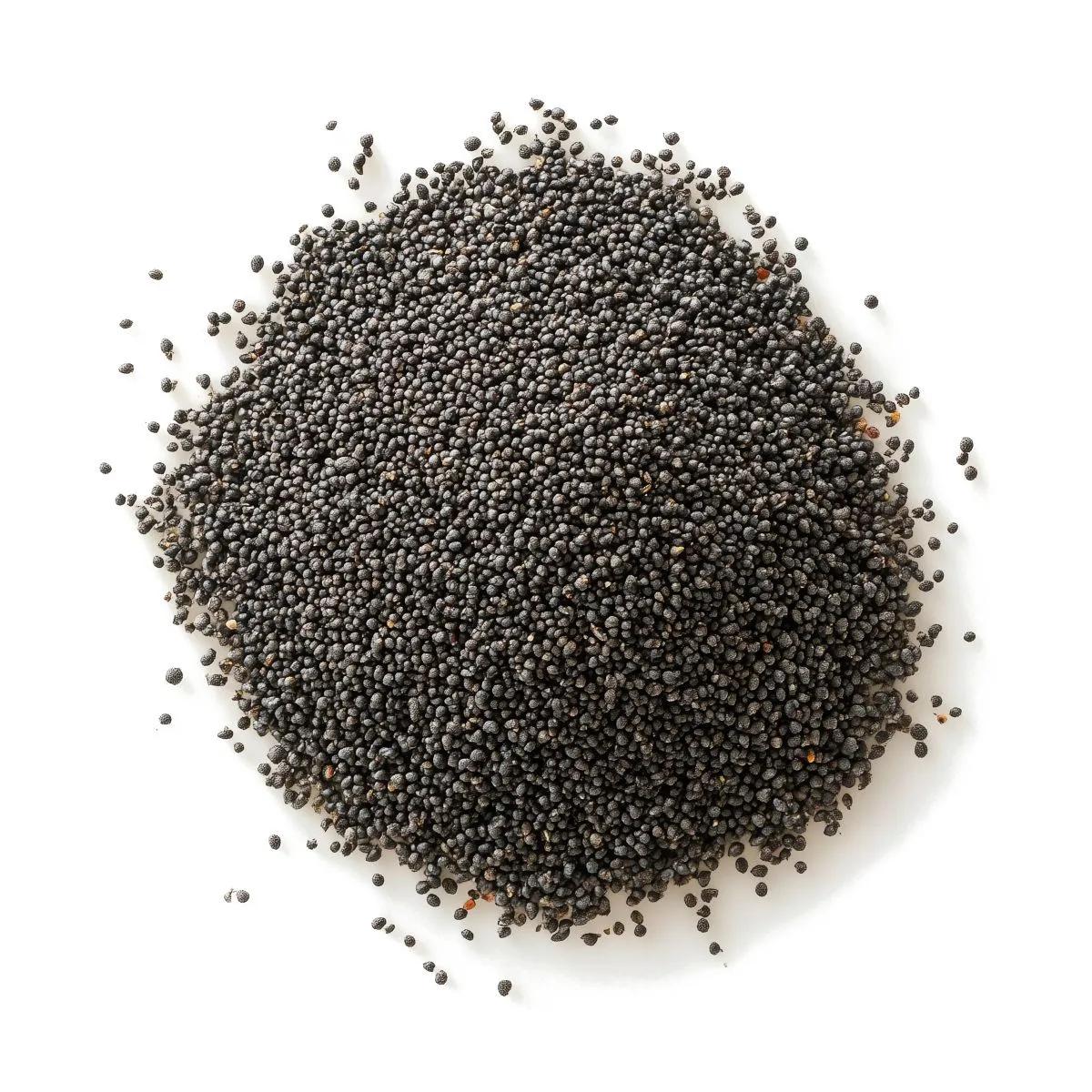
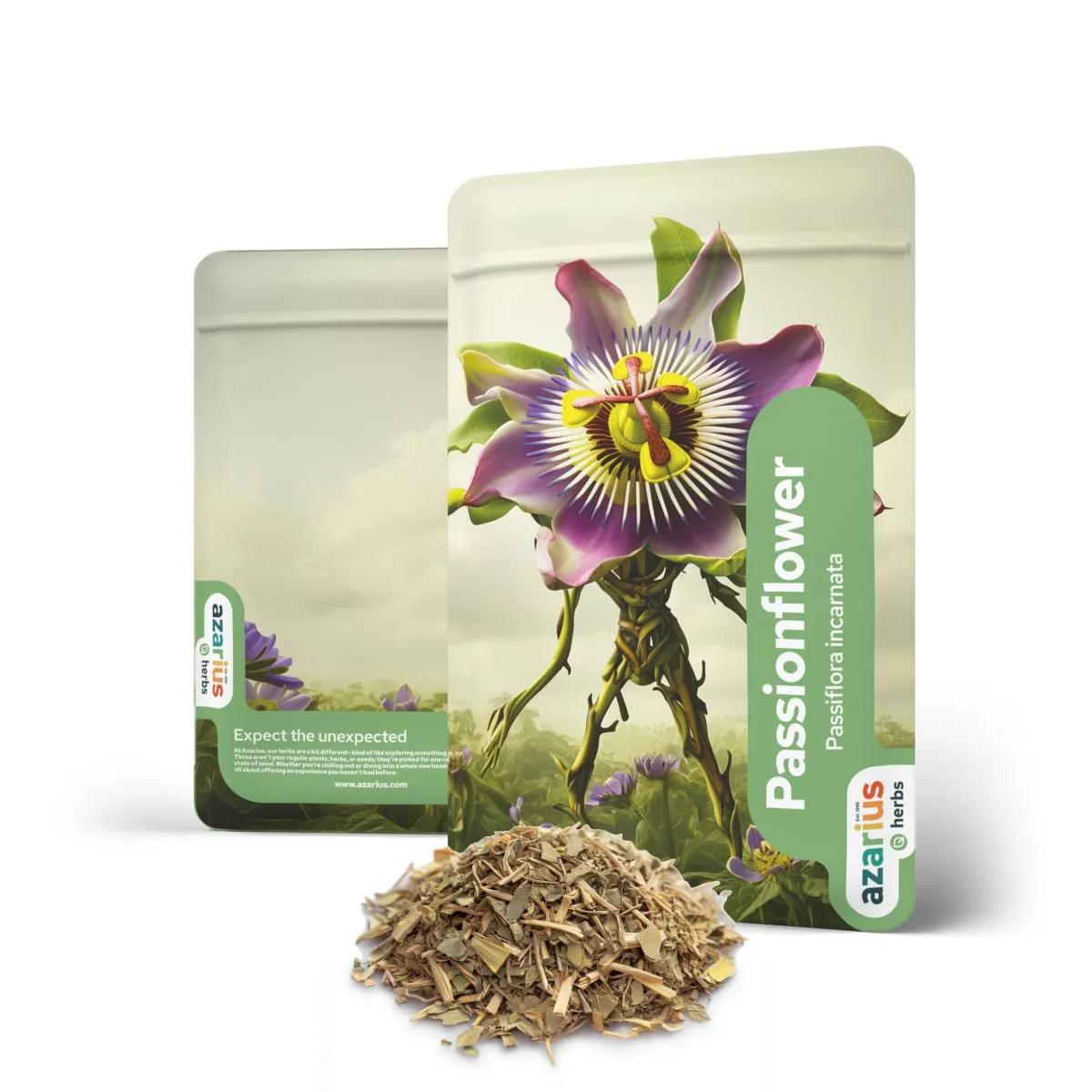
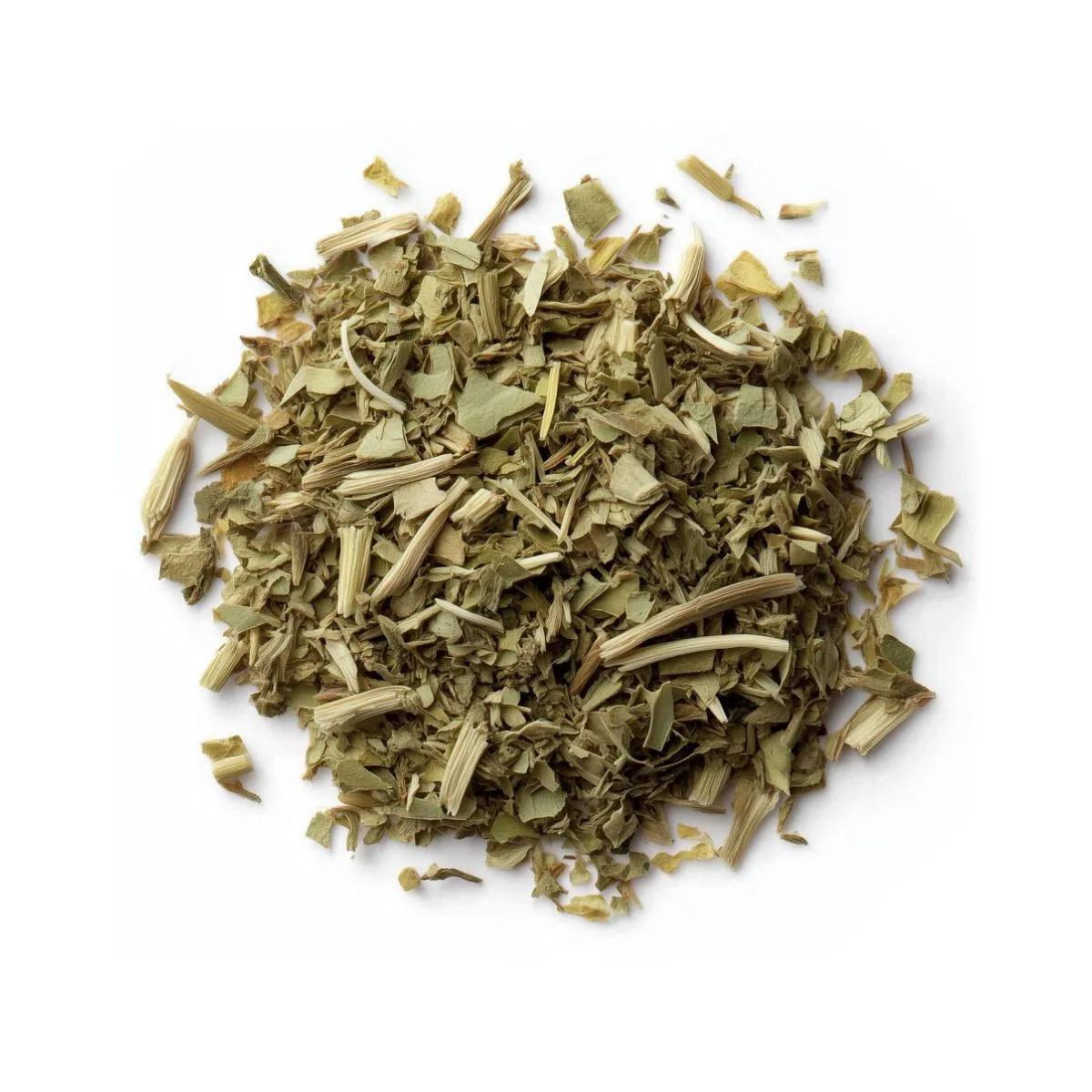
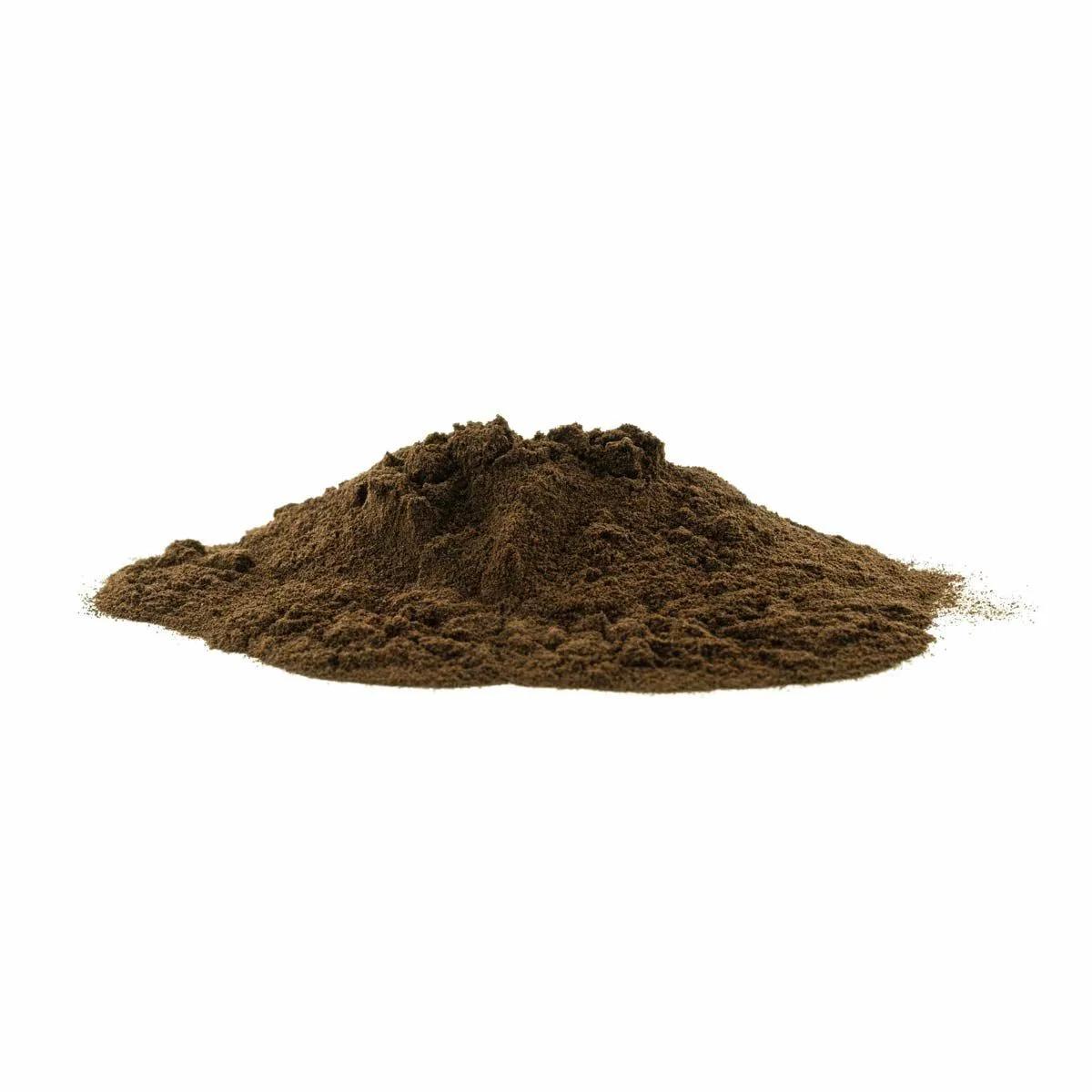
Un herb shop online è un negozio specializzato in botaniche, semi tradizionali ed estratti vegetali — non il reparto tisana del supermercato con barattoli impolverati. Azarius opera esattamente come questo tipo di herbshop dal 1999, spedendo in tutta l'UE da oltre 25 anni. Se sei qui, stai cercando foglie essiccate, semi grezzi, resine concentrate, polveri per il benessere o qualcosa nel mezzo. Parti dal metodo di preparazione o dalla potenza, e troverai quello che ti serve in fretta.
Un herb shop online è un negozio specializzato in botaniche, semi tradizionali ed estratti vegetali — non il reparto tisana del supermercato con barattoli impolverati. Azarius opera esattamente come questo tipo di herbshop dal 1999, spedendo in tutta l'UE da oltre 25 anni. Se sei qui, stai cercando foglie essiccate, semi grezzi, resine concentrate, polveri per il benessere o qualcosa nel mezzo. Parti dal metodo di preparazione o dalla potenza, e troverai quello che ti serve in fretta.
Ogni articolo in questa categoria rientra in una di quattro forme, ciascuna adatta a uno stile di preparazione e a un livello di esperienza diverso. La tabella qui sotto è il modo più rapido per orientarti tra i nostri 27 prodotti botanici distinti.
| Tipo | Potenza / Concentrazione | Ideale Per | Metodo di Preparazione |
|---|---|---|---|
| Semi Grezzi | Variabile (contenuto alcaloideo dipendente dalla pianta) | Preparazione tradizionale, utenti esperti | Macinatura, riduzione in polvere, pesatura accurata |
| Foglie Essiccate | Da lieve a moderata (potenza della pianta intera) | Tisana serale, rilassamento delicato | Infusione a 80–90°C per 10–15 minuti |
| Estratti e Polveri | Concentrazione da 15x a 25x | Dosaggio preciso, effetti più intensi | Dosi misurate, miscelazione in bevande |
| Resine e Liquidi | 15x (liquido), 20x (resina) | Praticità o lunga conservazione | Miscelazione diretta (liquido ~20 gocce per 1mL) o porzionatura al grammo (resina) |
Gestiamo questo herbshop online dalla fine degli anni Novanta, quando l'unico modo per comprare erbe e semi come questi era conoscere qualcuno che conosceva qualcuno. Internet ha cambiato tutto. Il nostro catalogo è cresciuto da una manciata di foglie essiccate all'attuale assortimento di semi, estratti, polveri culinarie e radici — il tutto spedito da Amsterdam verso tutti i 27 Stati membri dell'UE con imballaggio discreto e tracciato.
Quello che distingue un herb shop dedicato da un megastore del benessere è la specificità. Abbiamo a catalogo semi di Peganum Harmala e radice di Uvuma-Omhlophe accanto a Matcha e Curcuma, perché i nostri clienti spaziano da chi vuole un latte mattutino migliore a chi è immerso nelle tradizioni etnobotaniche. Il miglior herbshop non cerca di essere tutto: conosce il proprio campo e lo rifornisce come si deve.
Se sei alle prime armi, non complicarti la vita. Inizia con le foglie essiccate — Passiflora, Damiana, Salvia, Ortica — preparate come tisana tradizionale. Sono facili da gestire, aromatiche e un'ottima introduzione. Se invece hai già esperienza e vuoi estratti etnobotanici con rapporti di concentrazione misurabili, scorri fino alla sezione Blue Lotus. Entriamo nel dettaglio.
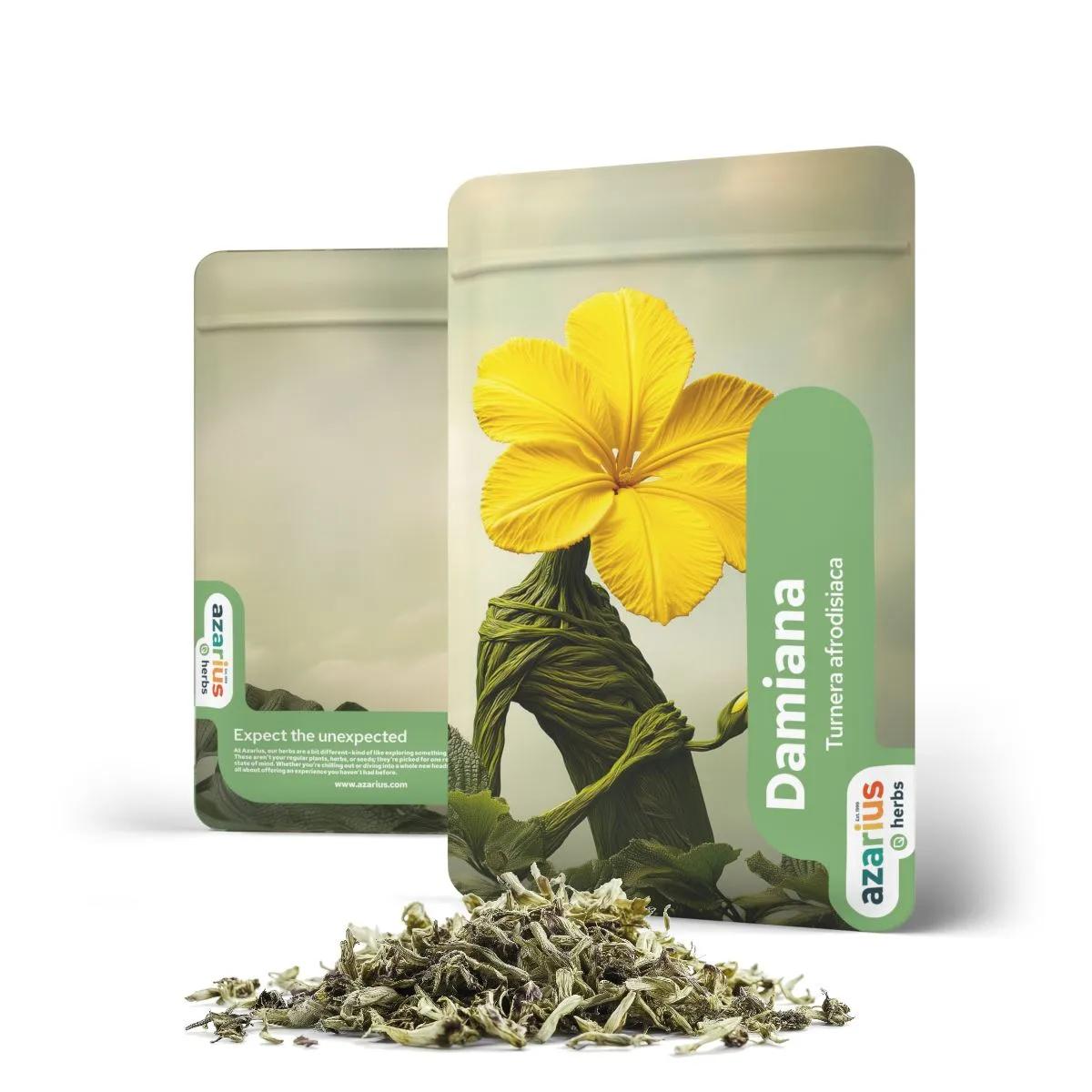
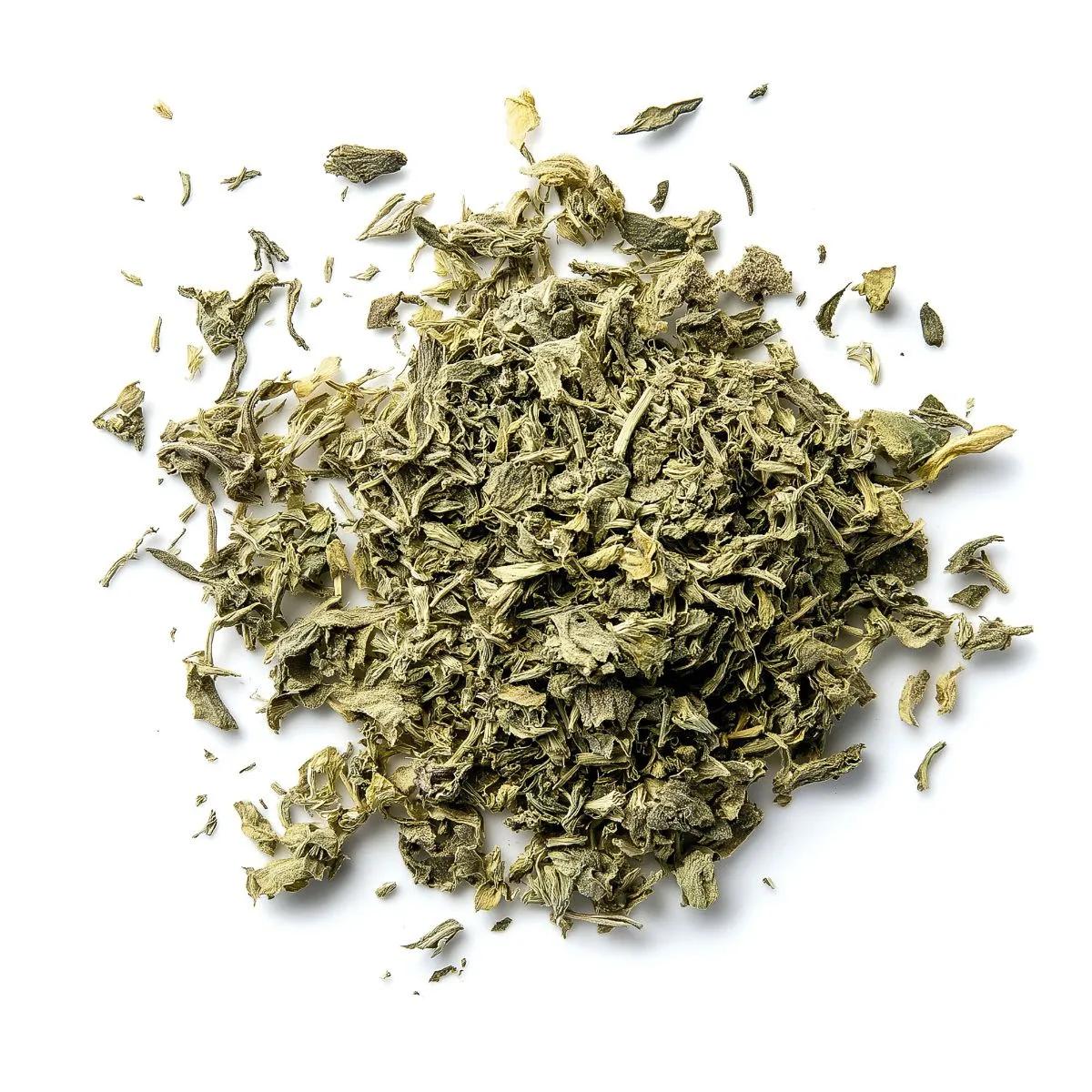
Principianti: Inizia con le foglie di Passiflora se cerchi un rilassamento serale delicato. Sono facili da gestire, semplici da preparare in infusione e non travolgono chi compra per la prima volta. La Damiana è un altro ottimo punto di partenza — le foglie tritate di Damiana sprigionano un aroma secco, tra camomilla e salvia, che rende l'intero rituale della preparazione un piacere. L'effetto di queste tisana tradizionali si manifesta tipicamente in 30–45 minuti a stomaco vuoto. Anche la conservazione è semplice: aspettati una durata media di 12–18 mesi se sigillate correttamente in un luogo fresco e asciutto.
Intermedi: Una volta che ti trovi a tuo agio con le tisane, passa ai fiori sminuzzati di Blue Lotus o alle polveri culinarie come Matcha e Cacao Crudo. Ti offrono più possibilità di preparazione senza richiedere una bilancia al milligrammo. Se stai decidendo tra la Resina di Blue Lotus (20x) e l'Estratto Liquido (15x), scegli la resina per una conservazione più lunga e un dosaggio preciso al grammo; prendi il liquido se vuoi miscelare all'istante nella tisana senza bilance — circa 20 gocce per 1mL come riferimento per il dosaggio.
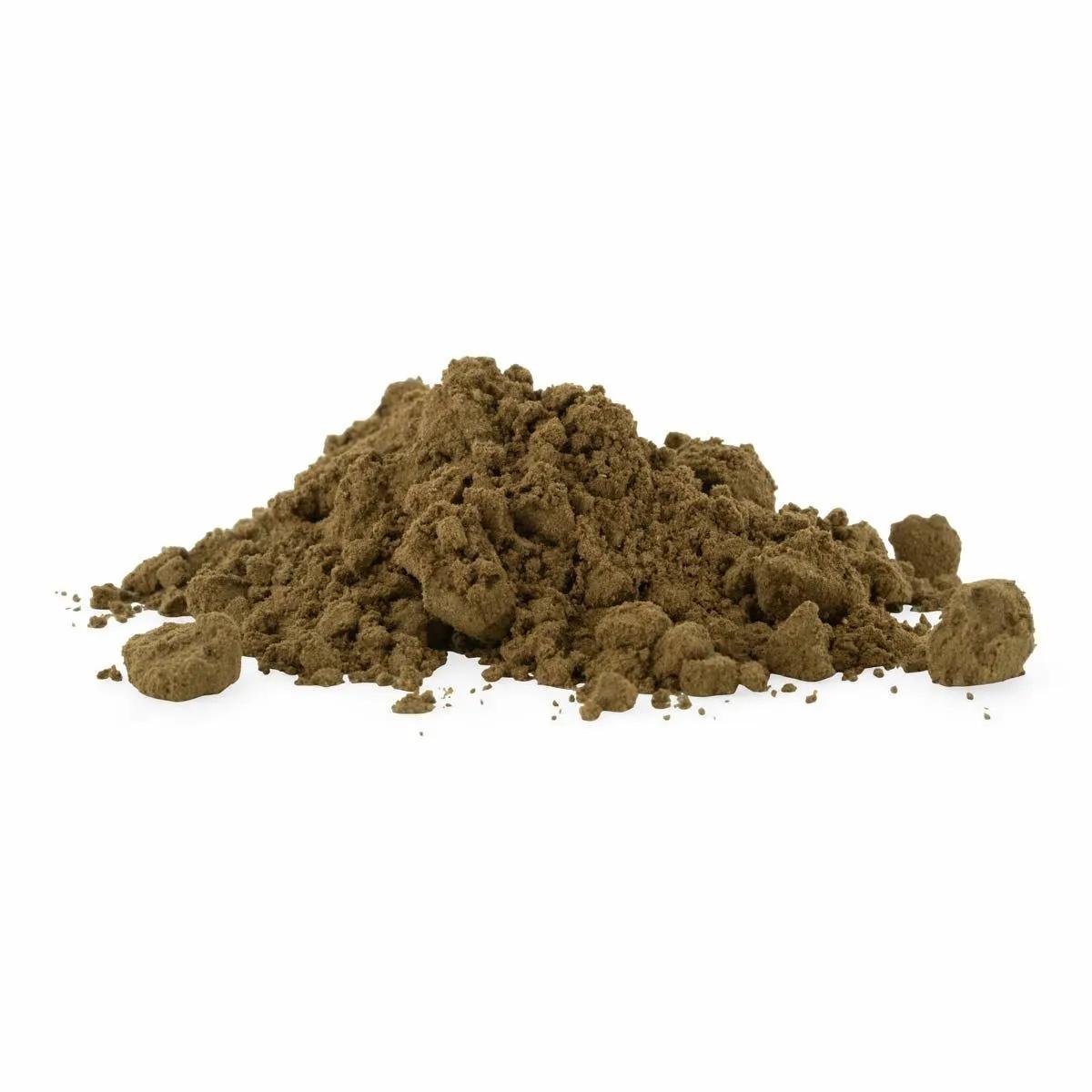
Avanzati: Semi grezzi come Morning Glory o Baby Woodrose non sono pronti all'uso. Richiedono una preparazione attenta, pesatura esatta e pazienza. Evitali se vuoi una bustina di tisana già pronta e comoda. Lo stesso vale per gli estratti etnobotanici come la polvere di Blue Lotus 25x, che al tatto risulta densa e leggermente cerosa, con un profondo aroma terroso che resta sulle dita. Dosare a questa concentrazione richiede precisione — sono 25 grammi di loto grezzo in ogni singolo grammo di polvere.
Rispondiamo a domande su Blue Lotus vs. Damiana dai primi anni Duemila. La risposta dal nostro bancone non è mai cambiata: il Lotus colpisce più forte e più veloce, la Damiana è un rilassamento lento e gentile. Sapere dove ti collochi su questo spettro ti dice esattamente da dove iniziare in questo herb shop online.
I semi sono la spina dorsale di qualsiasi herbshop online serio, e i nostri includono alcune delle varietà etnobotaniche più ricercate disponibili nell'UE.
| Seme / Erba | Profilo Tradizionale | Preparazione | Note di Conservazione |
|---|---|---|---|
| Morning Glory | Potente / Tradizionale | Macinatura, dosi misurate | Sotto il 60% UR, sotto i 20°C (68°F) |
| Baby Woodrose | Potente / Tradizionale | Macinatura, pesatura accurata | Sotto il 60% UR, sotto i 20°C (68°F) |
| Peganum Harmala | Potente / Tradizionale | Macinatura o decozione | Sotto il 60% UR, sotto i 20°C (68°F) |
| African Dream | Potente / Tradizionale | Macinatura o infusione | Sotto il 60% UR, sotto i 20°C (68°F) |
| Passiflora | Lieve / Serale | Tisana in infusione, 10–15 min a 80–90°C | Ermetico, al riparo dalla luce |
| Damiana | Lieve / Serale | Tisana in infusione, 10–15 min a 80–90°C | Ermetico, al riparo dalla luce |
Tutti i semi vanno conservati sotto il 60% di umidità relativa per mantenere la vitalità e la stabilità degli alcaloidi. Tienili sotto i 20°C (68°F) in barattoli di vetro ermetici, al riparo dalla luce diretta. Gli estratti si degradano più rapidamente se esposti al calore o all'ossigeno, quindi valgono le stesse regole ma con urgenza maggiore — risigilla immediatamente dopo l'uso.
Ordinare da un herb shop online dovrebbe essere semplice, quindi ecco la sequenza di operazioni quando aggiungi estratti o polveri alla tua routine:
Per il lato culinario e benessere — Curcuma, Matcha, Zenzero, Triphala, Harad e Cacao Crudo — la preparazione è più semplice. Si miscelano direttamente in bevande, smoothie o cibi. Niente bilance, niente tempi di infusione di cui preoccuparsi. Sono il punto d'ingresso più facile se vuoi comprare erbe e semi senza alcuna curva di apprendimento.
Stasera prepari una tisana di Passiflora o Damiana? Abbinale al nostro Matcha o Cacao Crudo per un contrappunto mattutino — tisana serale delicata, miscela energizzante al risveglio.
È un negozio specializzato in botaniche, semi tradizionali ed estratti vegetali — diverso dai negozi di alimentari o benessere generici. Un herbshop online dedicato come Azarius offre semi etnobotanici, estratti concentrati, foglie essiccate e polveri culinarie sotto un unico tetto, con conoscenze specifiche sulla preparazione e sull'uso tradizionale di ogni prodotto.
Inizia abbinando il metodo di preparazione tradizionale della pianta — tisana, macinatura o estratto — al tuo obiettivo. Se vuoi una tisana serale delicata, parti da opzioni a bassa potenza come foglie di Damiana o Passiflora. Per effetti più intensi, guarda gli estratti concentrati. Parti sempre dall'opzione più lieve in una categoria e procedi gradualmente.
Sì. Una polvere 25x significa che 25 grammi di materia prima vegetale sono condensati in 1 grammo di prodotto finale, quindi il dosaggio richiede precisione. La gamma Blue Lotus comprende 15x (liquido), 20x (resina) e 25x (polvere). Trattali con rispetto — misura con attenzione e attendi 30–45 minuti per l'effetto prima di aggiustare la dose.
Conservali in barattoli di vetro ermetici al riparo dalla luce diretta e dall'umidità per preservare i composti attivi e prevenire la muffa. I semi in particolare richiedono conservazione sotto il 60% di umidità relativa e sotto i 20°C (68°F). Le foglie essiccate durano 12–18 mesi se sigillate correttamente. Gli estratti si degradano più velocemente con calore o esposizione all'ossigeno, quindi risigilla immediatamente.
Spediamo in tutta l'UE — tutti i 27 Stati membri — nell'ambito della libera circolazione delle merci, con imballaggio discreto e consegna tracciata. Lo facciamo da Amsterdam da oltre 25 anni, quindi il processo è ben collaudato.
Ultimo aggiornamento: aprile 2026
Avviso medico. Questi contenuti hanno finalità esclusivamente informative e non costituiscono un parere medico. Consulta un operatore sanitario qualificato prima di utilizzare qualsiasi sostanza.